




The population growth and water needs are projected to increase in the coming years. This means that the problems associated with water scarcity will continue to grow, requiring innovative solutions to meet the demands for potable water.
The world’s ocean contains approximately 97 percent of the water on Earth. If all the water from this source is treated, it could supply enough fresh water for the planet’s population.

What is desalination?
Desalination is the process of getting salt out of seawater or freshwater. There are two main ways to make this: You can boil the water and then let the steam escape, or you can get a water purification system that filters the salt out of the water so it goes out. Both are reasonably old processes, but the latter is the more modern of the two.
Is desalination important?
Only 2.5% of the Earth’s surface is fresh. More than 70% of that tiny fraction is trapped in glaciers and ice caps, so there is only 1 percent left to meet our drinking, hygiene, agriculture, and industry needs.
It is clear that the greatest threats to our water supply come from pollution, but it is equally important to recognize the many benefits of clean water. According to the World Health Organization, one in two people could face water shortages by 2025.
The amount of water you drink varies greatly depending on where you live. In rich countries, one person might use as much as 80 liters of water per day just for taking a shower, cooking, and flushing the toilet. In developing countries, people might only have ten liters per day to meet all their needs.
How does desalination work?
Thermal desalination and reverse osmosis are the two main methods of converting saltwater into drinking water.
The process of thermal desalinating water involves heating the water until it becomes steam and then releasing it into the water again. Water is only allowed through the Reverse Osmosis filter. Because reverse osmosis was invented in the US in the 1950s, it is more widely used than the other approaches. More than 70% of desalinated water is achieved using this process.
Once the water is purified, minerals and chemicals are added to meet safe and healthy drinking water standards.
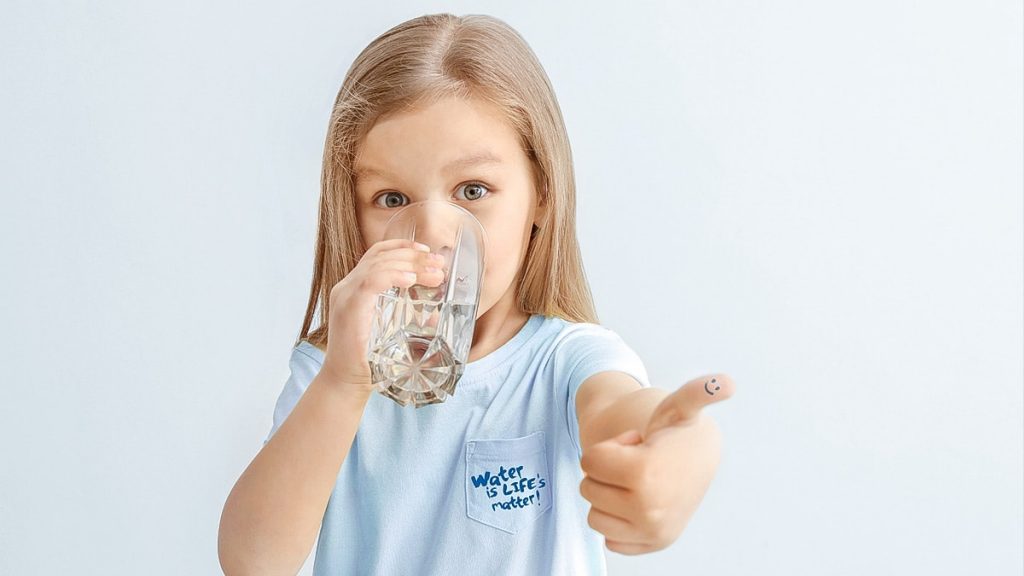
Is desalinated water safe to drink?
Most desalinated water is clean, so you should be able to drink it without any problem. It’s important to note that a lot of desalinated water is already being consumed worldwide.
Desalination in water-poor, freshwater-rich regions has been in practice for decades. Most of the desalination output comes from the Middle East and North Africa. An UN-sponsored study from 2018 says the world produces about 25 billion gallons of desalinated water every day — enough to fill the taps of 25 New York Cities.
What’s the negative effect of desalinated water?
Is desalination sustainable? are desalination plants bad? Some of you may ask.
Desalination has its environmental issues, too. One of them is brine, an environmentally harmful byproduct. Brine (the word) refers to the salty solution used to keep food fresh during fermentation. Industrial brine, like its culinary cousin, also includes salt. However, it’s far more dangerous than its culinary cousin.
It’s a significant problem that keeps Desalination out of the Mainstream. The late legendary Alan Turing tried to find a solution to this problem. Producing renewable energy in the US is the best way to do it. It’s the heat from the earth’s core that can be used for power. In producing high-value fragrance ingredients, TSSE is a type of chemical extract.
Transalp SeaExtractor (TSSE) can desalinate extremely salty brine up to seven times as salty as the ocean. This new approach can handle more brine at once, up to eight times saltier than current methods. Unlike other techniques that use reverse osmosis or distillation, TSSE has successfully used a solvent. Extraction is used in the chemical engineering of materials.
So, where does the salt goes?
The seawater is purified and then pumped back into the ocean. More than 1.4 billion cubic meters of salty sludge are flushed down the sewer every year. The total area of Germany is enough to cover the country’s entire surface.
Saudi Arabia, the United Arab Emirates, Kuwait, and Qatar produce more than half of the salt used worldwide. Due to its dense concentration, brine sinks and spreads along the seafloor, where it can interfere with entire marine ecosystems.
Is desalination the best solution for water shortage?
The answer is no. But it may help as part of a broader range of efforts to cut water use and increase water supplies. Its technologies are getting more energy-efficient, and there are new ways to cut down the environmental impact of saline water. For use in especially drought-stricken regions of the world, it can help save the lives of countless people by providing clean, safe drinking water.
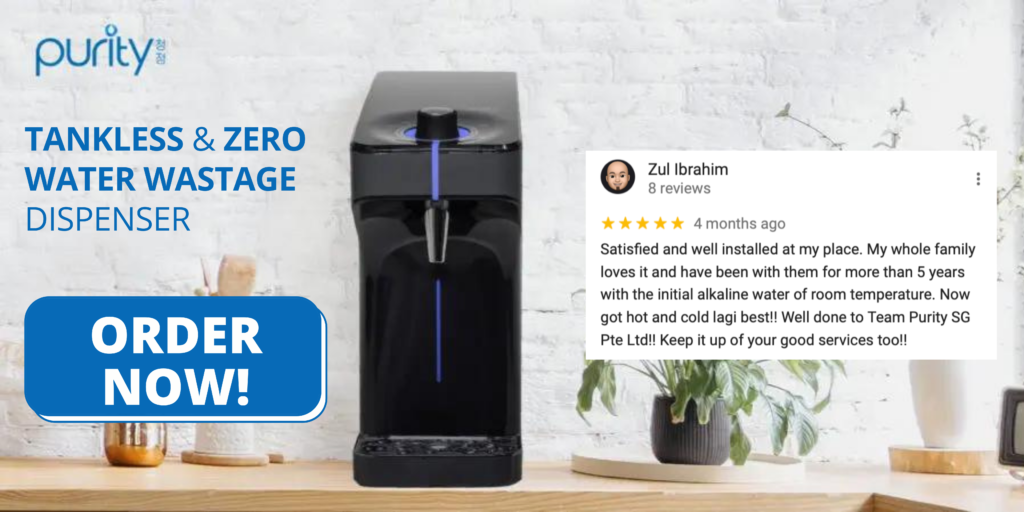
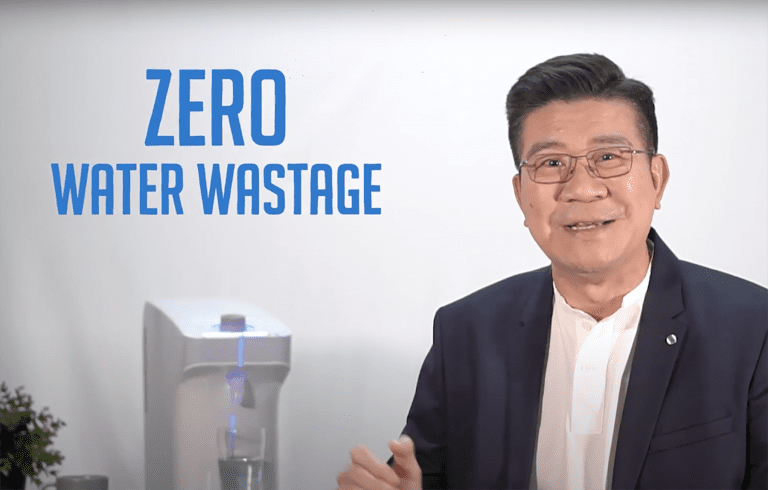
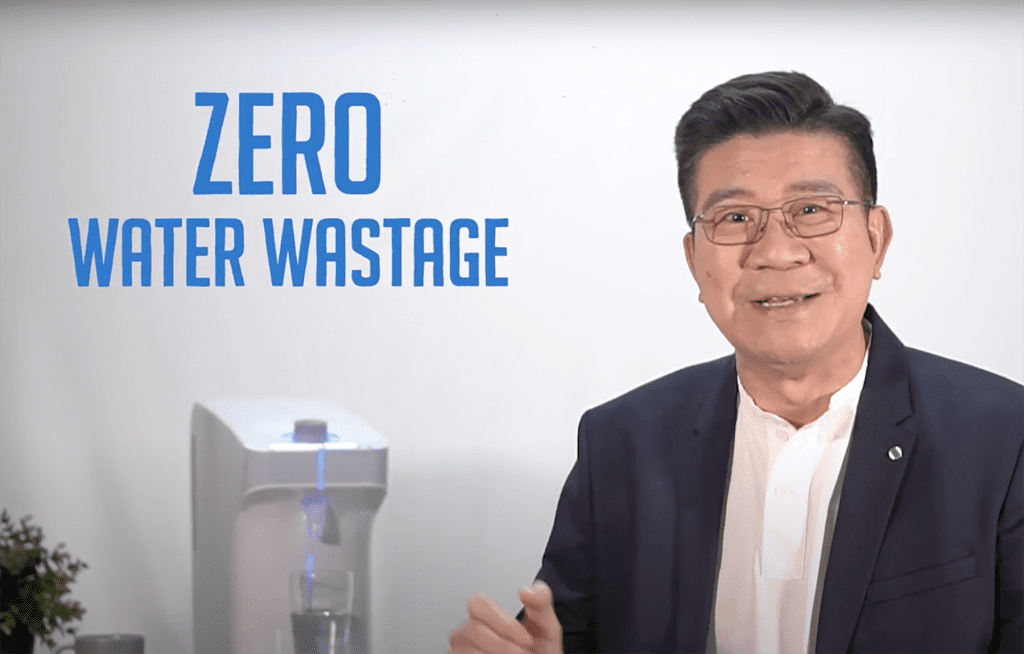
Help reduce the water crisis with zero water wastage with PuritySingapore!
We live in a time where water scarcity is becoming more common, and water wastage is also increasing. Therefore, it is important to have a sustainable approach toward the water. One small step that can help you contribute to the zero water wastage movement is by using the right alkaline water filter system appliance by Purity water dispenser Singapore. You can drink healthy alkaline water while also supporting zero water wastage. Let’s support this movement! Contact us +65 6493 2500 | (+65) 9384 7881 for more information.
The majority of the water is very salty. Only 1/3 of the world’s fresh water is available in agriculture and cities. The rest of the world has oil that will last for thousands of years, but we only have a few hundred years left to use it.
Over 2 billion people rely on the primary water source being aquifers. When income levels rise worldwide, the need for water-intensified goods increases, such as manufacturing, meat, and dairy products, which stresses global water supplies.
Water consumption has risen from 30 billion gallons a day in the 1960s to 60 billion gallons a day and is expected to double by the year 2050. Most of the world’s fresh water can be found underground. We can take advantage of the available freshwater without desalinating it or relying on it. To keep the quality of life in the future, water sustainability is essential.
What is water sustainability?
Water sustainability refers to the availability of freshwater for human consumption and use in agriculture and industrial processes. It’s true that we don’t drink seawater, but we can use it to make fresh drinking water with the right process.
What’s the goal of water sustainability?
Water management aims to ensure that economic, social, and educational progress is supported and protect and improve the environment. By adopting the best management software, a business can become more efficient in utilising water.
Water is the primary building block of life. An innovative and associate approach to water management deals with the many water sources in the environment. There are many different ways to deal with water and ensure it is appropriately managed.
Why is sustainable water management important?
Fight health issues and disease
Over 2.5 billion people don’t have adequate sanitation facilities, and 1 billion practice open defecation, costing $260 billion a year. 80% of deaths of children who die of diarrhoea are caused by unsafe water and inadequate Sanitation. It’s possible to prevent these water sustainability issues and diseases by closing the gap between the demand for safe water and access.
Prevent malnutrition and better child development quality
Almost 90 million people in India don’t have access to safe drinking water, and nearly 800 million don’t have proper Sanitation. India has an estimated 65 million children under five, stunting growth because of poor Sanitation. Improving the nutrition of the meals is more important than increasing the number of meals that are provided.
Maintain the city’s life
A large part of Singaporean’s life is affected by water stress. Every day, cities worldwide move more than 500 billion litres of water across 27,000 kilometres.
The second biggest city in the world is located in a desert. The use of limited water resources is inefficient because of the excessive growth of urban zones.
For Bogota, the future water supply for its 7 million residents depends on the sustainable management of the high-mountain wetlands and ecosystems between the Chingaza and Sumapaz mountains. Climate change dramatically impacts the marshes, many of which are located far upstream from the urban zone.
Maintaining the agriculture and food production
Water is a huge issue right now. About half of global grain production will be at risk due to water shortages by 2050. This is not just a problem in developing or emerging economies – the state of California is in the midst of its worst drought in over 100 years, and cutting back on water allocation is a significant problem.
The world’s largest rice industry in the southern hemisphere was affected by a similar situation in Australia just 5 years ago when the government reduced water allocation to farmers due to the dry weather.
Keep the electricity going
Even water-abundant countries are not immune to water shortages. In Brazil, 70% of the country’s energy is generated by hydropower. Water shortages affect industries, and power blackouts can affect the economy, driving down industrial output. The country suffered a significant economic loss due to an energy crisis caused by a drought in 2000 and 2001. It is estimated that it reduced the national GDP by 2%.

How to support the water sustainability movement?
- WASH clothes on full load; When you use the washing machine and dishwasher, they are loaded to their total capacity.
- Don’t take showers too long.
- Turn off the tap when soaping your dishes or brushing your teeth.
- If you want to give your house plants a drink, first wash your vegetables and salad greens and then use the excess water.
- Use water appliances that support zero water wastage
Support zero water wastage with PuritySingapore
The government has made many efforts to protect the environment and reduce water consumption. Now it is our effort; we need to work on our water sustainability because we are in a very urbanised environment.
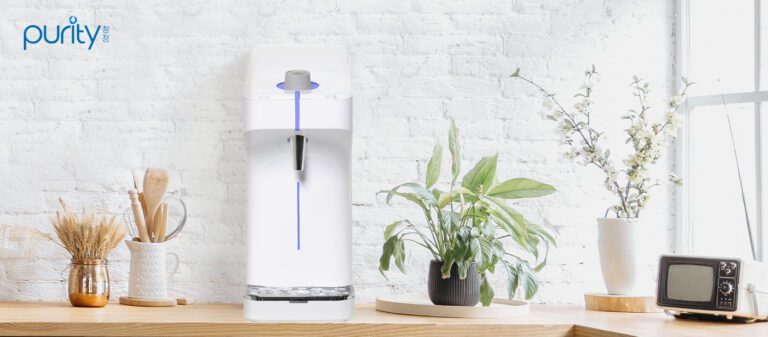
One of the easiest ways you can start is by using an alkaline water filter system by Purity Water Dispenser Singapore. As a company, PuritySingapore promotes and supports the zero water wastage movement by creating a water filter system that supports zero water wastage while also producing healthy alkaline water.
Call us at +65 6493 2500 | (+65) 9384 7881 or visit our store at 3 Ang Mo Ko Street 62 #07-04 Link@AMK Singapore 569139.
It’s absurd to wastewater in a country where it just “appears” out of the tap. It’s wasteful to use a valuable, scarce resource that people worldwide don’t have clean, safe access to. In addition, and most importantly, water takes a lot of energy, time, and money to filter and clean so that it’s drinkable. By wasting water or using too much water in the home, you are wasting the energy-intensive filtration process.

You may be asking how water is wasted and how to solve it. Well, in this article will elaborate more on water wastage issues and ways to prevent it from happening.
Causes of water wastage
Residential water wastage
Water waste example comes from many ordinary living processes. Residential wastewater includes water used to flush toilets and urinals, and laundry wastewater includes detergent, soap, and other materials.
There are two types of water waster residential:
- A lagoon system places wastewater in a shallow open pool.
The lagoon effluent can be introduced into the environment through slow evaporation. - A septic system places wastewater in an underground tank.
The effluent is introduced into the environment through a drain field.
Commercial water wastage
Commercial wastewater is produced by non-domestic commercial facilities, such as beauty salons, taxidermy studios, car wash businesses, or auto body repair shops. This wastewater treatment system will help you treat your domestic wastewater before sending it to the sewer system.

Two categories of water wastage
1. Gray water: Gray water comes from showers, baths, whirlpool tubs, washing machines, dishwashers, and sinks beside the kitchen sink.
2. Black water: Black water comes from toilets and kitchen sinks.
What does waste water contain?
Wastewater is 99.99% the same as water. There is a small number of dissolved solids that include bacteria, organic compounds, and other dissolved or suspended solids.
Water wastage treatment systems are used to remove solid or solid particles, such as silt, from the wastewater and separate the liquid from the solid. They treat water wastage to make sure the quality of our rivers, lakes, and oceans doesn’t get too bad. Some of the most common wastewater treatment systems are primary, secondary, and tertiary. They are all based on the same principle.
That 0.1% includes:
- Nutrients: Phosphorous and Nitrogen
- Fats, oils, grease: cooking oils, body lotions
- Pathogens: disease-causing bacteria and viruses
- BOD-biochemical oxygen demand. BOD is a measure of oxygen needed by aerobic bacteria to break down organic matter. A higher BOD means more organic matter needs to be broken down.
- Other solids
Ways to prevent water wastage
Fix your pipe leaks
Leaks are a common occurrence in any home, but they need to be repaired or replaced as soon as possible to avoid costly repairs and damage. Keep an eye on your water bill every month, and if you notice a higher than usual monthly charge, look for leaks around the house.
Turn off the tap
Do you think keeping the tap on while doing dishes or brushing your teeth will take up a lot of water? If you plug the drain, you can see how much is collected in the sink. It will likely be a few times a day for the year. A lot of water is what it is.
Don’t take showers too long
Take short showers? Maybe it’s time to reduce the number of times you shower. A soapy washcloth is a great way to prevent odors.
Reuse your water
Cooking pasta (or vegetables)? Let the water cool and use it to water your plants. You can also use it to water your garden or lawn if you don’t have access to a hose. When you’re done cooking, drain any remaining liquid from the pan. Pour it into a glass jar and keep it in the fridge for one week. Use the pasta water to water your plants instead of the tap water. You can also pour it into a spray bottle to water your plants while at work or running errands.
Limit your dish used
Don’t let the dishes pile up. In addition to being more of a hassle than necessary, they also waste a lot of water. Your dinner tastes just as good when made in the pot that it is cooked in as it does in a fancy serving bowl.
Wash your clothes only when the washing machine is full
Don’t waste water by running loads that aren’t full. This will save water and time by cutting down on the number of loads you do.
Use water-saving appliances
Some of the most common water-efficient appliances include dishwashers and clothes washing machines. Popular fixtures have toilets, showerheads, and faucets. They are also able to use less water, thus delivering comparable performance.
Start your zero water wastage life with Purity Water Dispenser Singapore
Water wastage is something you need to be aware of to prevent. If your community perceives the importance of environmental and water resource conservation, they will likely have a more significant concern around water. When people feel strongly about their community, it’s important to them that it survives.
Start your zero water wastage journey with PuritySingapore now. We provide the best alkaline water with a water filter machine that supports zero water wastage movement to create a better future and environment. Call us at +65 6493 2500 | (+65) 9384 7881 or visit our store at 3 Ang Mo Ko Street 62 #07-04 Link@AMK Singapore 569139.
5 Facts About Water Sustainability and How to Achieve it
Without compromising the future ability to provide the capacity and quality, sustainable water systems should give adequate water quantity and appropriate water quality for a given need. Water systems in the realm of sustainable development can include systems where water use has traditionally been required. Waterless toilets and waterless car washes help alleviate water stress and secure a sustainable water supply. Here are water sustainability articles.

What is water sustainability?
Ensuring there is enough water to meet multiple needs is sustainable water. Climate change impacts, such as a lack of rain or a flood, will not affect the water supply. The economics stack up in matching supply and demand, and the water delivery process is as efficient as possible. Water efficiency can be achieved using traditional water treatment technologies with renewable energy.
If you want to have a more sustainable water system, the top cities have been doing it for a long time. It is a water- and a sanitation-related project that involves protecting the environment, people’s health, and the economy by creating jobs and increasing the productivity of businesses. Resilience in the face of extreme weather events may contribute to flooding and scarcity.
Basics of Singapore water policy
Ensuring water supply for all
There are four sources of Singapore’s water supply: local water, imported water, NE water, and desalinated water. The Four National Taps is a diversified water supply strategy that ensures a robust water collection for generations to come.
Conserving water resources for Singapore water sustainability
Ensuring that water demand doesn’t rise at an unsustainable rate is what we need to do. Our water supply will be sustainable if we look at ways to manage demand and conserve.
How do we create water sustainability?
Here are water sustainability strategies to help you start a zero water wastage movement
Resilience
Major cities worldwide have placed resilience planning on the agenda, an initial step to becoming more sustainable. Disaster recovery and the scope of strength are not the same. Employment, income distribution, social cohesion, and other factors not usually built into water management are examples of society’s soft, resilient infrastructure.
Efficiency
Water resources are being depleted at an alarming rate. People must become aware of their role in saving water resources. To understand the system’s vulnerabilities, risks, and stress points, utility companies need to assess potential financial impact and risk of exposure. These vulnerabilities can threaten the city’s operations, quality of life, and even the city’s competitive edge. They provide valuable insights for planning and future projects.
The benefits of considering sustainability during infrastructure planning include:
- Optimizing environmental, economic, and social benefits can be achieved by setting goals and selecting projects through a transparent and inclusive process.
- Consistency can be achieved through alternatives that address both community and utility goals.
- The theutility’sslongg-term technical, financial, and managerial capacity needs to be improved.
Create green space and multi-purpose urban solutions
In addition to its large capacity and the efficiency of its design, green infrastructure is also more eco-friendly because it provides wildlife habitat while reducing the need for expensive and inefficient water treatment systems. Green infrastructure can provide valuable green space and recreation for the residents of a city, reduce the urban heat island effect, and enhance biodiversity and ecological resilience.
The South Los Angeles Wetlands Park provides rare green space to an underserved community of Los Angeles. The railyard was transformed into a park with trails, boardwalks, picnic areas, and other features.
Manage sustainable water resources
Sustainable water resources management is a part of integrated water resource management. Water management is a partnership between stakeholders, including government agencies, community groups, and other organizations.
Water is vital to human life. It provides clean drinking water and cleans our air. A sound water system that considers all the factors that affect its sustainability will significantly impact the environment.
The UN has outlined areas where sustainable water resources management will need to secure sustainable water for all.
- Agriculture
- Industry and energy
- Domestic sector
- Cities
- Ecosystem
We can start by supporting the zero water wastage movement
Changing your lifestyle to begin creating a habit of zero water wastage is not easy, and you have to get used to it. It is necessary developeate sustainable water for our grandchildren and others. However, you can start slowly by drinking a healthy alkaline water
With Purity water dispenser Singapore, one of Singapore’s best alkaline water machines included in the movements of water sustainability companies that are strongly care about providing Singapore with the best alkaline water with a machine that supports zero water wastage. Contact us for more info at +65 6493 2500 | (+65) 9384 7881 or visit us directly at 3 Ang Mo Ko Street 62 #07-04 Link@AMK Singapore 569139.
6 Effective Zero Waste Solutions For Every Family
Do you have an overflowing trash can in your kitchen? Are you looking for ways to adopt a zero waste lifestyle?

If you’re looking for ways to reduce your waste and make your home more eco-friendly, implementing zero waste solutions can be a great place to start. It’s not as difficult as it may seem, and it has a lot of benefits for both you and the planet.
What is zero waste?
Zero waste is the goal of completely eliminating waste. It means designing products and processes so that all materials are used and nothing is wasted. It can be applied to individual lifestyles, businesses, and communities.
Zero waste is a challenge, but it’s an important one. We generate a lot of waste – almost 2 billion tons of it each year. That’s enough to fill up 400,000 Olympic-sized swimming pools. If we want to make a real difference in the fight against climate change, we need to reduce our waste production. Therefore, there is a zero waste campaign to adopt a zero waste lifestyle.
So how do you reduce your own waste? How to achieve zero waste management? Here are some ideas and advanced tips to do zero waste practices at home:
1. Reusable Straws
While the idea of drinking out of a plastic straw is great, the problem is that the plastic ends up in landfills, and can even leach into the ocean. Instead, consider using reusable straws made of stainless steel or bamboo. They are both more environmentally friendly than the plastic alternatives.
2. Reusable Bags
A reusable bag is a great way to cut down on waste. The bags can be made from many different materials, and can even be made from plastic bottles. They can be used for a variety of purposes, including shopping, and can be made from recycled materials.
3. Bring your own silverware and plates for take-outs
In an effort to reduce the use of single-use plastics, more and more people are bringing their own silverware and plates when they take out food from restaurants. This can be as simple as packing a fork, spoon, and knife in your bag, or taking a plate with you to the restaurant. Not only is this a great way to reduce plastic waste, but it can also save you money. Restaurants often charge a fee for using their plates and silverware, so BYO can save you a few dollars each time you eat out.

4. Compost your food scraps
Did you know that food scraps account for 20-30% of the waste in landfills? That’s a lot of wasted potential! Not only is composting good for the environment, it’s also great for your garden. Composting is the process of breaking down organic matter into a nutrient-rich soil amendment. You can compost almost any kind of food waste, including fruits, vegetables, grains, meat, and dairy products. The best part is, you can do it right in your own backyard!
You can use a compost bin to dispose of your food scraps and other organic materials. The decomposition process will produce fertilizer for your garden or plants. These methods will help us create a cleaner environment for our future generation and will save us from wasting more resources.
5. Recycle everything you can
You can do waste management by separating your waste. Take out recyclable material like paper, plastic, cans and bottles. Recycling helps you reduce the amount of waste that you will have to throw away in the future.
It also saves energy because recycling uses less energy than producing new products from raw materials. Reuse items as much as possible. You can reuse things instead of throwing them away. You can buy used items and use them instead of buying new ones. If you want to throw something away, see if you can give it to someone else first.

6. Use a water bottle instead of buying bottled water
One of the zero waste lifestyle examples is to stop buying bottled water. Bottled water is terrible for the environment for a few reasons: it takes a lot of oil to make the plastic bottles, the bottles create trash, and the water itself is often shipped from far away. A much better alternative is to buy a reusable water bottle. This way, you can fill up your bottle with tap water, which is cheaper in the long run and healthier than bottled water.

Make zero waste solution with Purity Singapore
4 Ultimate Benefits of The Best Eco Friendly Water Filter – Purity
Do you realise that you can save the environment by installing the best eco friendly water filter? Do you know that the best water filter can give you a lot of benefits?
There is no doubt that water is one of the most important things we need to stay alive. And unfortunately, it can be very expensive if you don’t take care of it properly.
If you are using a tap water supply, chances are you are paying a lot for it. But the truth is that tap water has become so polluted that not only does it make you unhealthy, it also makes you lose a lot of money as well. So in order to save your money and health, you should seriously consider installing an eco friendly water filter.
In this article, I’m going to give you a detailed breakdown of the four main benefits of the best eco friendly water filter. By reading this article, you will learn all the key information you need to make the right decision about which is the best water filtration system for home.
If you want to start saving the environment and getting the healthiest water possible, then read on…
Make You Go Green
Using water filters means you contribute in conserving the environment. Why? Many people buy disposable plastic bottled water everyday. There’s a presumption in society that carrying bottled water with you could be a clear sign of modernity and course. They’re not aware that buying plastic bottled water means they contribute to littering nature. In contrast, when you use eco friendly water filters at home, you reduce the use of plastic bottles which means you give the greatest blessing to the environment.

Save You Money
If you still buy bottled water to fulfil water needs at home, it’s time to calculate how much money you’ve spent on that. You’ll be surprised at how many expenses you squander only for water. While when you invest your dollars in eco friendly water filters, you may not have to spend parcels of cash acquiring bottled water to meet your day by day utilisation needs. Having water filters at home also can spare you money that you can use for other assets. For illustration, water filters provide you clean water to drink, cook, take a bath, and even wash your clothes. With clean water, it will prevent you from being sick and your life will be much healthier. Therefore, you also save-up a lot on medical expenses.
Remove Impurities
From its name, we can know that water filters help you remove all the impurities from your water. It’s not a secret that unfiltered water contains harmful contaminants such as chlorine, disinfection byproducts, and heavy metals like mercury, lead, and arsenic which can cause many health issues. With water filters, they remove unwanted dirt and contaminations and guarantee you get clean and healthy water for your needs that is 100% free from impurities.
Saving Scarce Water Resources
You may not realise, but using eco friendly home water filters contributes to the conservation of scarce water resources in some areas that have limited water resources. If you want to do more, you can use a whole-home water filtration and purification system. By using it, you will reuse and recycle the water, making the use of water sustainable. And you will also cut costs from buying bottled water.
After knowing the benefits of eco friendly water filters, it’s time to find the best eco friendly water filter system that meets your needs to get a better understanding of which is the best product to apply in your home.

Whole House Water Filters
A whole house water filter is the perfect alternative for clean drinking water in your home. These water filters are introduced where water enters your living space, so that each drop of water that streams through your pipes, out of your spigots, and into your apparatuses is sifted. A drawback to this set could be a higher forthright taken a toll and you can’t effortlessly take your framework with you, in spite of the fact that it’s simple enough to fill up a reusable water bottle for when you’re out and around.
Under Sink Water Filters
Under sink water filters are an awesome middle-ground solution for your home. Unlike a whole house water filter, they don’t filter water to your entire living space. But, they do provide the same clean, new water to a single spigot. Like whole house systems, they’re helpfully tucked away, not taking up countertop space or decreasing your room’s aesthetics. They’re also less costly than a whole house water filter and are quite easy to install. These systems also permit individuals to “bottle their own” drinking water, which diminishes their plastic wastage compared to disposable plastic water bottles.
Countertop Water Filters
There are some varieties of countertop water filters: water filters with pitchers, countertop dispensers, and spigot join countertop filters. These filters drop inside most family budgets and require small to no installation, but can have a huge contribution to cut out the disposable plastic-use from the landfill.
Shower Water Filters
Shower water filters are ultimate solutions for individuals who deal with issues like chlorine-heavy municipal water or those who don’t want a whole house water filter. They’re simple to install and can come with a coordinated shower wand. If you want to get numerous benefits of a whole house system at an affordable price, you can try to combine a shower water filter with and under sink or a counter filter.
Filter Your Water with Purity water dispenser Singapore
Using eco friendly water filters at home gives endless benefits to you and the environment. Choose the best eco friendly water filters for your home that meet your needs and budget. If you’re looking for the best water filter Singapore, Purity Singapore offers the best eco friendly water filters that will provide you with clean water for a healthier life and environment. Contact us for more information!
5 Benefits of Owning a Zero Water Filter in Singapore: The Eco-Friendly Choice for Your Home – Purity
Are you aware that the water we drink comes from a vast number of sources? From rainwater, ground water, to underground water, water supply pipes, and many other sources.
And not only that, the water we drink is also heavily polluted with chemical pollutants and contaminants. So if you have a zero water filter installed in your home, you would not only be helping yourself but also helping protect the environment around you.

Zero water filters are one of the most popular water filters in Singapore because of their eco-friendly features and affordable price. If you don’t have a zero water filter, you are basically drinking dirty and dangerous water that contains a large number of harmful contaminants and chemicals in it. And when you drink that, it can easily damage your body, your health, and your entire environment.
In this article, I’m going to show you 5 benefits of owning a zero water filter in Singapore. So if you want to start benefiting from the many amazing things that come with having a zero water filter, be sure to read this article thoroughly!
1. Zero Water Filters are Eco-Friendly
Unlike traditional water filters that use disposable filters, zero water filters use a reusable filter. They use less plastic waste and energy than traditional water filters, making them a more sustainable option for your home. This means that there is less waste and fewer plastic bottles ending up in landfills.
One zero water filter can replace up to 300 disposable water bottles. That’s because Zero Water filters remove virtually all dissolved solids from your tap water, down to 000 parts per liter. This leaves your water tasting incredibly fresh and pure.
2. Zero Water Filters Produce Cleaner Water
Zero water filters can be a good option for those looking for a water filtration system. If you are a concerned person about the water you drink, then a water filter is a good choice. The filters will filter the water and remove the bad taste and smell from the water. This is because these filters are able to remove a variety of contaminants, including lead, mercury, and chlorine. Zero water filters are also able to reduce dissolved solids because they use activated carbon and ion exchange resin, making your water taste great and ensuring that you’re getting the best possible quality of water.
3. Zero Water Filters are Affordable
The Zero Water filter is one of the best and most affordable ways to get clean water. In fact, they are one of the most affordable water filters on the market. They range in price from around $30 to $60, making them a more affordable option than many other water filters.
However, you need to be careful if you want to buy zero water filters online. Some users have complained about the quality of the water filter, saying that it doesn’t work as well as they had hoped. That is why it is best to find a lot of information about the best water filters in Singapore as well as looking up water filter Singapore reviews on the internet.

4. Zero Water Filters are Easy to Use
Zero water filters are some of the easiest to use filters on the market today. With such a simple design, these filters can be up and running in a matter of minutes. And unlike many other filters, zero water filters do not require you to replace any filters or membranes.
The filters are also easy to install. They connect to your tap in just a few minutes and don’t require any tools. You can even install them yourself without any help. All you have to do is fill the filter with water, attach it to the top of your bottle, and drink. It’s that easy!
5. Zero Water Filters are Long-Lasting
Zero water filters are designed to last for a long time. Compared to the traditional and other water filters, zero water filters are more durable, easy to clean and can be used again. This means that you can use it for a long time. Normally The filters should be replaced every three to five months or when the filter indicator light turns red. Some filters even last for a year before they need to be replaced, making it a more economical choice than other filters on the market.
Get Your Zero Water Filter With Purity!
In Singapore, most people use a water filter to remove the bad taste and smell from their water. But if you are looking for the best water filter, you need to consider the benefits of zero water filters. They can help you reduce your water usage, save money, and ensure that you are getting the best possible quality of water. At PuritySingapore, we believe that everyone should have access to clean, safe water- regardless of budget. That’s why we offer some of the best water filters and water purifiers in the market, at a fraction of the cost of bottled water. Purity water dispenser Singapore offers Zero water filters that remove all of the harmful chemicals from your water, making it safe to drink. Not only that, but our filters also reduce scale build-up, meaning your appliances will last longer and your dishes will be spotless! They also make a great choice if you want to make your home more eco-friendly.
9 Practical Ways on How to Use Water Sustainably for Zero Water Wastage – Purity
We use water to shower, to wash dishes, to wash our clothes, to drink, to fill our swimming pools, and even to cook. But we often overlook the ways in which we waste this precious natural resource. How to save water? What can you do to cut down on this wasteful behaviour?
While most of us might not think about it, we actually waste a lot of water every time we use it. And that doesn’t even include all the other things we do with water that we don’t really need it for.
The good news is, there are some very simple changes you can make to conserve water at home. Most importantly, you can reduce the amount of water you use by just making simple changes.

In this article, I’m going to give you 9 ways to save water at home so you can use it sustainably.
So if you want to learn how to use water sustainably and avoid wasting water, then read on…
Collect Rainwater
When the rain comes, collect the water for your household needs. For instance, for washing the dishes and laundry. Or you can treat it to become drinking water. Or you can also use it for cooking and watering the plants. By collecting rainwater, you don’t have to waste the water from the faucets. Don’t forget to close the water containers after collecting the rainwater.
Install Water Filter
The water you collect from the rain might be dirty and it really takes time to boil it. The solution for this problem is to install a water filter in your home. It removes bacteria, dirt, unwanted taste and odours to provide clean and fresh-tasting water for you and your family. With a water filter, you don’t have to waste time drinking water.
Use High Efficiency Washing Machines
User newer models of washing machines with high efficiency. The newer models usually have better automatic sensors that show the exact amount of water they need. So, when you wash your laundry, you won’t waste much more water since the machine knows how much water you should use.
Opt for Dishwasher
It might seem unbelievable, but it’s true that washing dishes using your hand uses more water than using the dishwasher. When people do the dishes by hand, they tend to let the faucets open even when they don’t use the water. This habit needs to be replaced by using a dishwasher. Or, if you feel like doing the dishes by hand, close the faucets when you don’t use them.
Short Showering
Taking a shower too long means taking much more water. It’s time to reduce your time in the shower. It is one of simple ways to save water. Turn on the shower only when you use it. For instance, turn off the shower when you soap your body or apply shampoo to your hair, then turn it back on to rinse.
Opt for Bar Soap over Liquid Soap
Whether it’s for shower or washing your hands, it will be better if you use a bar soap instead of a liquid one. A liquid soap, primarily that contains moisturising gels, tends to require more water to be rinsed off.
Turn off The Faucets When not in Use
Washing hands, shaving, brushing teeth, washing the vegetables. If you do them in the sink, don’t let the water run when you don’t use it. Open the faucets only when you need it. You’ll be saving 4 gallons a minute.
Use Low Watt Home Furniture
We know that we use electricity in our homes on a daily basis. But, did you know that it takes a huge volume of water to generate electricity? Water is used to keep coal, gas, or nuclear power plants from overheating in the process of generating electricity. So, when we reduce the use of electricity at home, it means we also save water. We can turn off the lamp, the TV, or the AC when we don’t use it. Other than that, use low watt home furnishings such as water dispensers, fans, or iron clothes.

Use Water Dispensers
Why do we need a water dispenser to save water? Of course you can boil water when you need it. But, a water dispenser will give us more efficiency. For example, when we want a cup of tea, we tend to boil more water than we actually need. As a result, the rest of the water is wasted. However, when we own a water dispenser, it’s complemented with a water heater so we won’t waste time or water when we need it. We just have to press the knob, then stop when we get the amount of water we exactly need.
Sustainable Water Products in Purity Singapore
Water is a precious natural resource for the persistence of humans’ lives. Therefore we have to conserve it to keep its sustainability. Purity water dispenser Singapore offers sustainable products that keep water’s sustainability. We have the best water filters and water dispensers which provide clean and healthy water for you and your family. For more information, visit our website or don’t hesitate to make a call!
Zero Wastage Water Purifier: 4 Ways to Get Rid of Waste Water in Your Home – Purity
Do you know what happens to all the water that runs down your drain when you flush your toilet?
It’s amazing how many people out there don’t realize that they are flushing much more than just the waste from their toilets. In fact, they are also flushing away all kinds of chemicals like fluoride, chlorine, and even bacteria.
If you ignore it, you could be flushing away years of water that you may have needed to drink. Because the water that you’re flushing away is also being used by the plants in your house for growing healthy food, flushing away all of that water can cause a major problem in your house.
In this article, I’m going to show you a simple and sure-fire way to get rid of waste water in your home. So if you are tired of wasting water and you want to do something about it, then this article comes at the right time for you!
What is Zero Wastage Water Purifier and How Does It Work?
Before we learn how to get rid of waste water, first we need to understand the zero wastage water purifier and how it works. Zero Waste Water Purifier is a revolutionary product in the world of water purification. It is a device that will separate waste water from the regular water that you use in your house. This water purifier uses a purification technology to eliminate the chlorine, fluoride, and bacteria that are found in the waste water. In this process, the water passes through a series of purification units that remove the chlorine, fluoride, and bacteria. After passing through the purification units, the water will be clean and safe for you to drink.
Summing up, a zero wastage water purifier is a device that helps reduce the amount of wastewater produced in your home. This water purifier recycles the water that is wasted during the filtration process, so you can be sure that none of the precious water goes to waste. A zero wastage water purifier works by capturing and recycling the water that is already present in your home. This includes water from sinks, showers, baths, and washing machines. The recycled water is then used to flush toilets and irrigate gardens.
If you are thinking about getting a zero wastage water purifier, then you need to know that it is a simple device that you can use in your house. And now, after learning about zero wastage water and how it works, I’m going to give you 4 other ways to get rid of waste water in your home, starting with:
1. Recycle Water for Your Garden/Use Greywater System
One way to reduce the amount of wastewater produced in your home is to recycle it for your garden. If you have a garden, use a hose to divert wastewater from your sink, shower, or washing machine to water your plants. This can be a great way to conserve water and keep your plants healthy.
If you don’t have a garden, you can still recycle wastewater by using a greywater system. A greywater system recycles wastewater from your sinks, showers, and washing machines and uses it to flush toilets and irrigate your lawn. This is a great way to reduce the amount of wastewater produced in your home and conserve water.

2. Use a Garbage Disposal/Sink Trap/Sink Screen
Another way to reduce the amount of wastewater in your home is to use a garbage disposal. A garbage disposal will grind up food particles and other debris, which will help to keep your drainage system clear.
If you don’t have a garbage disposal, you can install a sink trap to help reduce the amount of wastewater in your home. A sink trap is a U-shaped piece of pipe that is installed under your sink. It will catch food particles and other debris, which will help to keep your drainage system clear.
However, if you have neither of those two, you can also use a sink screen to do the job. A sink screen is a mesh screen that is placed over the drain in your sink. It will catch food particles and other debris, which will help to keep your drainage system clear.
3. Use a septic system
If you don’t have access to municipal sewer services, you can install a septic system to treat wastewater from your home. A septic system uses bacteria to break down wastewater and release nutrients that can be used by plants. This is a great way to recycle wastewater and reduce the amount of pollution produced in your community.
However, it is important to note that septic systems can be expensive to install, so it’s important to research your options and find a system that will work for your home. You should also consult with an expert to make sure the system is installed correctly and is working properly.

4. Install RO Water System
RO or Reverse Osmosis is a water purification technology that uses a semipermeable membrane to remove dissolved salts, bacteria, and other impurities from water. It is one of the most effective ways to get rid of waste water in your home. If you’re not very familiar with it, there are a lot of information on the internet about how to reduce waste water in the RO system.
However, RO systems can be expensive to install and maintain. They also require a lot of water to operate, so they may not be the best option for homes with limited water resources. Besides, there is still speculation whether RO waste water is safe to drink. According to the recent studies, RO water may be a risk factor for hypertension and coronary heart disease, gastric and duodenal ulcers, chronic gastritis, goitre, pregnancy complications and several complications in new-borns and infants, including jaundice, anaemia, fractures and growth disorders.
Get to Know More on Zero Wastage Water Purifiers with Purity Singapore!
Everyone knows that wasting water is bad for the environment, but it’s hard to know how to reduce our water usage without making big changes. Worry not! Purity water dispenser Singapore has developed the world’s first Zero Wastage Water Purifier. It recycles wastewater back into clean drinking water, so you can use your tap water over and over again- without ever having to worry about wastefulness. With the PuritySingapore Zero Wastage Water Purifier, you can save money and help conserve our precious resources. Purifying your household’s drinking and cooking water has never been easier or more affordable.
6 Reasons Why You Need Low Watt Water Dispenser – Purity
Have you ever heard of the term low watt water dispenser Singapore.
In order to save money and keep your electricity bill down, a lot of people are using low watt water dispensers these days. This is a very important topic to know about because if you are like many people, you might think that low watt water dispensers are just a fad.

The reason that most people think this way is because they are not educated on how low watt water dispensers actually work. So they simply see the word “low watt” and assume that they are getting a deal on the price of water.
In this article, I’m going to give you 6 reasons why you need low watt water dispensers at home.
So if you are looking to learn about this topic, then read on…
Save Electricity
There’s a frequently asked question regarding water dispensers: can water dispenser work without electricity? The answer is, a water dispenser needs electricity. However, of course we want a sophisticated water dispenser with low energy consumption to save electricity. This is probably the main reason why you need a low watt water dispenser. The energy saving feature must be put into the top of consideration. The lower the watt, the more electricity we save. They can be pricey, but it’s worth-it to invest your money on this. Or, if you shop wisely, you can find a low watt water dispenser at an affordable price.
Easy to Use
The installation of a low watt water dispenser is usually quite easy. Almost everything is done for you by the company. It’s also not difficult to use it. The instructions basically don’t require an expert to interpret. It can be used by people from adults to children. Generally, you just have to tap on the button or knob if you want to drink.

Save Time and Money
A low watt water dispenser also could save your time and money. You don’t have to wait for the water to boil in the kettle anymore. You just have to press the button or knob, then the water flows. You don’t have to waste more time making a cup of tea or coffee in the morning. The uses of a water dispenser can also save you money because when you own a low watt water dispenser, it saves more electricity and reduces the electricity bill, and it prevents you from buying bottles or small containers.
Eco-Friendly
A low watt water dispenser is an eco-friendly item that helps to save the environment. When you have a low watt water dispenser, directly or indirectly, you contribute to saving the earth, because you reduce the use of disposable water bottles. And this device comes with an energy efficiency mode, which helps the environment at large.
Provide Efficiency
Having a low watt water dispenser gives you efficiency. If you used to store a lot of water in the fridge, with a water dispenser, you can drink with only one tap. If you need hot water to make tea for the guests, they don’t have to wait long for water to boil. Your children don’t have to wait for you to fill up their glasses, because a water dispenser helps keep water at everyone’s sight.
You also can save a lot of space in your refrigerator. It’s time to move aside the bottles inside and store your food there because the water dispenser will provide you water more efficiently.
Good for Health
If you drink from tap water, you should be cautious because it’s always exposed to chlorides and bacteria that get through the tap. It’s certainly bad for your health. Primarily if you have children, it can cause a serious infection since they are vulnerable and have a low immune system. It’s time to install a low watt water dispenser in your living space. A low watt water dispenser is good for your health since it’s complemented with an inbuilt filtration system which filters all the contamination and bacteria. Therefore, the water you drink from a water dispenser is guaranteed to be clean and purified as no dirt goes through the appliance.
Why You Need Purity Singapore?
Having a low watt water dispenser gives you a lot of advantages. Low watt water dispensers also come up with various styles and designs that probably suit your tastes and needs. The disadvantages of water dispenser only come up if you don’t shop wisely. So, are you looking for low energy consumption water dispensers? Purity Singapore offers the best water dispensers for you and your beloved family. We also ensure fast and professional installation and guarantee the top level of customer satisfaction. Contact us for further information.
5 Reasons Why You Should Start Using Eco-Friendly Water Bottles Now – Purity
There are so many reasons why using eco-friendly bottles is better than regular plastic ones. What makes them so great?
What are reusable water bottles? You’re probably familiar with the little green bottle of water that you can find in the supermarket. Reusable water bottles are made to be used multiple times, often made from durable materials like stainless steel, aluminium, or plastic. The fact is, the water bottle has evolved into a necessary part of everyday life. If you are wondering about how eco-friendly your current water bottles are, you may not know that there are huge amounts of toxic chemicals in your everyday plastic water bottle. And the effects of these toxins can be really bad. They can cause cancer, liver problems and even brain damage. Then, you may want to reconsider your current practices and start using a new kind of water bottle that is free of harmful substances.
So, there are many benefits of using a reusable water bottle. Here are 5 reasons why you should start using eco-friendly water bottles now:
1. They’re Cheaper
It’s probably not a secret to anyone that plastic water bottles are very cheap. Later on, you’ll be paying a lot of money for a bottle of water. However, the good news is that you don’t have to spend a lot of money on an eco-friendly bottle of water. It is a one time investment. How much money do you save using a reusable water bottle? Based on the report, consumers can significantly save up to 2,000 times of their cost on water bottles by using reusable water bottles. You can buy a good quality bottle of water for as little as S$2.50, compared to single-use bottled water that can cost more for everyday use.
2. Better for the Environment
Did you know that there are about 50 billion plastic water bottles used each year? That’s a lot of plastic! And because of this, our landfills are becoming more and more polluted. A reusable water bottle is a great way to reduce your carbon footprint because it will eliminate the need for single-use plastic bottles. Carbon footprint of reusable water bottles
3. Longer Lasting
You can use an eco-friendly water bottle hundreds of times, unlike a single-use bottled water which you have to throw away after just one use. Water bottles made from stainless steel are highly durable and last longer than those made from plastic. This means that you won’t have to replace them as often, which is good for the environment. They are BPA-Free, unlike water bottles made from plastic. This is a chemical that has been linked to health problems like cancer and other diseases. Therefore, stainless steel water bottles are more durable than their plastic counterparts, so they will last longer.
4. Stay healthy
Most disposable water bottles are made of plastic, which can leach harmful chemicals into your water. Reusable water bottles are made of stainless steel or glass, both of which are safe and healthy for you. Even though some people may not like drinking from metal bottles because of the taste or because they think it can leach out of the bottle and into their drinks, most of these fears are unfounded. Most metals don’t leach out into liquids because there are multiple layers of protection in place.
When choosing a metal water bottle for kids, you will want to make sure it’s BPA-free because some of the cheaper metal bottles have BPA in them. Simply look at the label and check if there is a 7 inside the recycle symbol since it means it contains BPA. You should avoid buying this type of bottle because BPA can leach into liquids and cause health problems like weight gain, high blood pressure, diabetes and many more.
5. Comes with many great designs
There are many eco-friendly water bottle designs out there, and they’re all different and unique. They come in all different shapes, sizes, and colors. So there’s no reason to stick to just one. They are a great way to carry water on the go. You can even find a special design for your kids, so they can have their own unique bottle to drink out of. You can also get a great looking bottle that will look good on your work desk or for your exercise.
Fill your water bottles using Purity Water Dispenser Singapore
Water purified by reverse osmosis often contains low levels of dissolved minerals, which can lead to health problems over time. Bottled water is expensive and not always healthy. You don’t know what kind of chemicals are used in the purification process and you definitely don’t know where those bottles come from. Purity Singapore’s water filtration and purification system is top notch. We use reverse osmosis to remove the harmful chemicals and minerals from your water, so you can fill your own water bottles without any fear of contamination or health problems!
3 Things You Can Do For Sustainable Drinking Water – Purity
Access to clean, safe drinking water is a human right. Yet, every day, millions of people around the world lack this basic necessity. In fact, according to the World Health Organization, 1 in 10 people don’t have access to safe water, and 1 in 3 don’t have access to adequate sanitation. Why is sustainable water management important? Sustainable water management improves the quality of water we consume. Unsafe water kills more people than all forms of violence combined. Every day, 1,400 children die from diarrheal diseases caused by unsafe water and poor sanitation. As a result, it is critical that governments prioritize safe water for all citizens as part of the Sustainable Development Goals (SDGs).

What is sustainable drinking water?
Sustainable drinking water is water that can be used to meet the needs of the current and future generations without compromising the quality or availability of water in the future. The most sustainable type of drinking water is naturally occurring water. This includes rainwater, groundwater, and water from springs. These sources are sustainable because they are constantly being replenished by nature. However, not all locations have access to naturally occurring water, so other types of water must be used as well since many surface water sources are vulnerable to pollution from humans. That’s why it’s important for each of us to learn about sustainable drinking water initiatives and do our part to help to fix water sustainability issues.
Here are 3 things you can do for sustainable drinking water:
1. Water filter usage
Since it is best to have naturally occurring water as your source to sustainable drinking water, you need to make sure that the water is safe and clean or it will only do harm to your health. Your water is not the same as the water in your neighbor’s faucet, and that’s a good thing.
The quality of your drinking water is directly tied to the quality of your local water supply. While the water coming out of your faucet is often safe to drink, the water that comes from your home’s plumbing system is often contaminated with lead, pesticides, and other harmful chemicals. The only way to ensure the safety of your water is to use a filter that removes contaminants from your drinking water. Unfortunately, most water filters don’t remove the most dangerous contaminants in water. While most water filters can remove some contaminants, the most dangerous contaminants in drinking water are actually passed through the filter. These dangerous contaminants can include lead, mercury, and pesticides. You need a water filter that will remove these dangerous contaminants from your water. If you want to use water from local sources, you should invest in a water filtration system that removes the contaminants from the water. This will make your water safe for drinking and cooking.

2. Water sustainability strategies
There are many different types of water sustainability strategies. The most important thing to know is that you don’t have to choose between the environment and human health. You can have both by developing a sustainable water management system.
In fact, some of the most sustainable drinking water strategies are the simplest ones. For example, if you want to use a reusable water bottle, that’s a great way to reduce your water footprint. Another option is to get a water dispenser. By having eco-friendly water dispensers, you can reduce the amount of water you use and save money at the same time compared to every purchase of a water bottle.
3. Recycling
Recycling is one of the most sustainable ways to use water. In fact, many municipalities have been recycling water for years. For example, some municipalities are using recycled water for landscaping, food production, and farming. By recycling water, you’re not only helping the environment but you’re also helping to conserve water.
Most of the water bottles that we buy are made from plastic. When we throw them away, they end up in landfills. If we recycle the bottles, they will be reused. Another example of recycling is the way we recycle our water bottles. If you have a water bottle that is still in good condition, you can use it to store water in a cooler. You can also use the bottle to keep your food and drinks cool.
Find the best sustainable products in Purify Singapore
The water quality in Singapore is not the best. Not only is the taste of the water terrible, but it’s also not healthy to drink. But don’t worry, Purity water dispenser Singapore has you covered! We offer the best water dispensers and filters in Singapore so you can get clean, healthy water for your home.
With a Purity Singapore, you’ll have access to clean and safe drinking water straight from your tap for your sustainable water solution. Plus, our water filters keep your water fresh and tasting great. Head over to our website to learn more about our products and how they can benefit you and your family.