
Blog




Investing in a water dispenser for an office setting can provide many benefits that not only make employees more comfortable and productive but also create a healthier and greener environment.
Here are some of the main advantages of investing in a water cooler or dispenser.
1) Improved Hydration Levels
Having a water dispenser in an office setting encourages staff to stay hydrated throughout the day. This helps keep mental alertness and performance at its peak, which will benefit the entire team.
2) Saves Money
Investing in a water dispenser can save money long-term by eliminating the cost of purchasing bottled water. Not only will it save money, but using refillable jugs may also help to reduce waste caused by plastic water bottles.
3) Added Convenience
Having a water dispenser in an office setting makes it easier for employees to get the hydration they need throughout the day without having to leave their work area or stand in line for the water cooler.
4) Increased Morale
Having access to fresh, cold drinking water will make employees feel more comfortable and appreciated in their workspace. This can lead to improved morale and productivity levels, as well as a greater sense of loyalty from staff members.
5) Environmental Impact
Investing in a water dispenser is an eco-friendly and responsible choice. Not only does it help reduce waste caused by plastic bottles, but you can also opt for eco-friendly models that use energy-efficient technology to further reduce your environmental impact.
6) Quality and Variety
Investing in a water dispenser is an excellent way to ensure that staff members have access to filtered, quality drinking water on-site. Not only will they be able to hydrate with high-quality water, but also get hot and cold drinks for their enjoyment.
7) Healthy Lifestyle
Drinking adequate amounts of water throughout the day is essential for a healthy lifestyle. By investing in a water dispenser, you can make it easier for staff members to stay hydrated and maintain a healthier lifestyle.
Takeaway
Investing in a water dispenser for an office setting is a great way to provide employees with the convenience and health benefits of easy access to filtered, refreshing drinking water.
Not only will it improve comfort and morale, but also help reduce costs and environmental impact. With these advantages in mind, investing in a water dispenser is an excellent choice for any office setting.
Water dispensers play a vital role in our daily lives, providing a basic necessity for human consumption at home, in the office, or at school.
Stored in a large container, clean drinking water is pumped through a faucet when needed, making it easily accessible to us. Maintaining these machines is crucial to ensure the continuous supply of safe and clean drinking water.
How Regular Should Maintenance Be?
The recommended frequency for maintaining your water dispensers varies according to their type and usage. If the dispenser is used by several people, it is advisable to carry out maintenance more often.
For smaller households or offices, a monthly check-up should suffice. However, for larger offices or schools where the water dispenser is frequently used, it is recommended to check and service the machine at least twice a year.
How To Maintain Your Water Dispensers
Maintaining your water dispenser is not complicated. There are several steps you can take that will ensure the proper functioning of your machine. Here are a few tips to get you started:
- Ensure the temperature of the stored water is at an appropriate level.
- Check for any signs of rust or corrosion in the metal parts.
- Regularly clean and sanitize the machine, including all of its pipes and faucets.
- Inspect all hoses or tubes for any signs of wear and tear.
- Replace malfunctioning parts or outdated components.
You can also call a professional for more complicated services such as deep cleaning the machine, installing new parts, or repairing broken ones.
Benefits of Maintaining Water Dispensers
Regular maintenance of your water dispenser has multiple benefits, including improved performance, increased longevity, cost savings, and improved safety.
1) Improved Performance
Regular maintenance helps ensure that your machine is working at its best level by eliminating deposits from the pipes and faucets. This will result in better-tasting water as well as improved pressure and temperature levels.
2) Increased Longevity
Consistent cleaning and maintenance of the dispenser will help increase its lifespan, which can save money long-term. Proper care helps to avoid mechanical breakdowns that require costly repairs or replacements.
3) Cost Savings
Regular maintenance prevents damage to the water dispenser that would require costly repairs. It also saves money on energy costs by improving the efficiency of the machine.
4) Improved Safety
Regular maintenance helps ensure that your water dispenser is free from bacteria, chemicals, or other contaminants that can be harmful to your health.
Risks Of Not Maintaining Your Water Dispensers
Failing to maintain your water dispenser can lead to several risks, including:
1) Poor Taste
Without regular maintenance, the water stored in your water dispenser can develop a stale or bad taste.
2) Low Pressure and Temperature
Lack of maintenance may result in lower water pressure and cooler temperatures.
3) Contamination
Stagnant, unclean water is more prone to harbouring bacteria and other pathogens that can cause health issues.
4) Expensive Costs
Damage that builds up over time may require costly repairs or a replacement of the machine. Poorly maintained water dispensers can cost more energy and water bills due to decreased efficiency.
Takeaway
Regular maintenance of your water dispenser is essential for its optimal performance, increased longevity, cost savings, and improved safety.
By conducting simple steps such as cleaning and inspecting the machine regularly, you can ensure that it continues to provide clean, safe drinking water for many years to come.
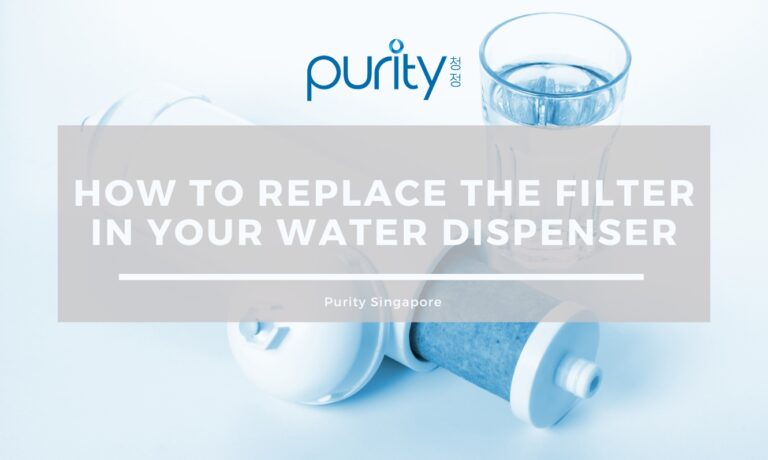
Replacing the filter in your water dispenser is an important part of maintaining the quality and taste of your drinking water. The filter should be replaced regularly to ensure that it is doing its job properly.
Knowing the steps to take when replacing your water dispenser’s filter can be beneficial as it can help you keep your water tasting great and looking its best.
Why Should You Replace the Filter
The filter is designed to remove sediment and other particles from your drinking water. This helps improve the taste of the water, as well as ensuring that it is safe for consumption.
Over time, the filter can become clogged with debris, reducing its ability to do its job properly. Replacing the filter regularly will help ensure that your drinking water is free from contaminants and tastes great.
How Often Should You Replace the Filter
The frequency at which you should replace the filter will depend on how much water you use and the quality of the incoming water. Generally, it is recommended that filters be replaced every six months or 500 gallons.
It may also be necessary to replace your filter more frequently if your incoming water has a high concentration of sediment or other contaminants.
What You Will Need
Before you begin replacing the filter in your water dispenser, there are a few things you will need to have on hand:
- A new replacement filter
- A pair of pliers or a wrench
- A bucket or other container for catching extra water
How to Replace the Filter
Now that you have everything you need, it is time to get started.
It is significant to remember that this is a general guide to replacing the filter in a water dispenser. Different models may have different specifications, so it is important to read the instruction manual before beginning.
Steps to Replace the Filter
- Turn off the water supply to your water dispenser. This can usually be done by turning a valve located at the back of your unit or underneath a sink.
- Remove the existing filter from your water dispenser, using either a pair of pliers or a wrench.
- Place the bucket or other container beneath the filter to catch extra water.
- Insert the new filter into your water dispenser and tighten it with either pliers or a wrench.
- Turn on the water supply and allow several minutes for all of the air to be purged from the line before use.
Alternative Methods
If you are struggling to replace the filter in your water dispenser, you can opt to buy a filter replacement kit from a nearby hardware store or online. The kit usually contains a new filter and the tools required to finish the process.
You can also reach out to a professional for assistance. A qualified technician can safely and quickly replace the filter in your water dispenser.
Takeaway
Following the steps outlined above, you can easily replace your water dispenser’s filter and ensure that your drinking water is safe and tastes great.
Regularly maintaining and replacing the filter of your water dispenser will help improve the taste and quality of the water you drink. Doing this regularly will help keep your family healthy and happy.
Looking to buy a home water dispenser for your home usage? Check out our catalogue to find the one that best suited your needs!
Water is essential for optimal health, and that includes the health of your skin.
Drinking enough water helps to keep your skin hydrated and nourished, while also helping to flush out toxins from the body. In addition, drinking water can reduce inflammation and improve circulation, which may contribute to better skin tone and overall appearance.
How Much Water Should You Drink?
The amount of water you should drink depends on your age, gender, and activity level.
Generally speaking, it is recommended that adults drink 8-10 glasses of water per day. However, if you are physically active or live in a hot climate, you may need to increase your water intake accordingly.
Benefits of Drinking Water for Skin Health
Hydration
Drinking enough water helps to keep your skin cells hydrated and can help to reduce the appearance of fine lines and wrinkles. It can also improve elasticity, which is important for preventing signs of ageing.
Detoxification
Water helps to flush out toxins from the body, including those that can accumulate on the skin and contribute to breakouts. It also helps to reduce oiliness in the skin, which can help to reduce breakouts and other blemishes.
Circulation
Drinking water regularly can be beneficial for improving circulation, which helps to deliver nourishing oxygen and vital nutrients to your skin cells. This can help to improve the overall tone and texture of the skin.
Reduced Inflammation
Water can help to reduce inflammation in the body, which could lead to improved skin health. Inflammation can contribute to the development of acne and other blemishes, so reducing it can help to improve overall complexion.
Overall Appearance
Drinking enough water can help to improve the overall appearance of your skin by keeping it hydrated, nourished, and free of toxins. This can lead to healthier-looking skin and a more youthful complexion.
What Kind of Water Should You Drink?
The best kind of water for skin health is filtered water that is free of impurities and contaminants. This type of water will help to keep your body hydrated without the added chemicals or toxins that can be harmful to your skin.
If you reside in a hard water region, using a water filter is crucial to minimize the amount of calcium and magnesium in the water. These minerals may lead to dryness and irritation.
Moreover, alkaline water helps to balance the body’s pH levels and lower inflammation, thereby promoting skin health.
Takeaway
Drinking enough water can be beneficial for skin health by helping to keep it hydrated, nourished, and free of toxins. It can also help to reduce inflammation and improve circulation, which can lead to a better overall appearance.
When choosing water, it is best to select filtered or alkaline water that is free from impurities and contaminants. This will ensure that you get the most benefit for your skin and overall health.
If you are looking for an alkaline water dispenser for your home, make sure to reach out to us!
Water dispensers are an increasingly popular choice for homes and businesses alike. They can provide both hot and cold water, making them a convenient way to get the hydration you need throughout the day.
But before you buy one, it is important to understand the basics of different types of water dispensers, what features they offer, and how to properly maintain them.
Types of Water Dispensers
The two main types of water dispensers are freestanding and countertop models.
Freestanding Water Dispenser
The most common type of water dispensers are freestanding units. They vary in size, from small, under-the-counter models to larger ones that can stand on the floor and hold significant amounts of water.
These units often come equipped with both hot and cold water dispensers, which is ideal for bigger families or businesses that require various drink options.
Countertop Water Dispenser
If you have limited floor space or need a water dispenser for your small office, you might want to consider a countertop water dispenser.
These dispensers are smaller than freestanding models, but they still have one tap that gives you either hot or cold water. They do not require installation, but they can be pricier than freestanding models.
Features of Water Dispensers
When selecting a water dispenser, you will want to consider the features that make it most convenient for your needs. Some common features include:
a) Temperature Control
Many water dispensers come with adjustable temperature settings so you can choose the best option for your drink.
b) Auto Shutoff
Many models have an auto shutoff feature that turns off the unit during periods of inactivity. This helps conserve energy and extend the lifespan of the unit.
c) Filtration System
Having a built-in filtration system in a water dispenser can reduce the amount of contaminants and sediment in your water, which can assure you that you are drinking clean water and gives you peace of mind.
d) Childproof Lock
To prevent children from spilling or burning themselves with hot water, several models have a childproof lock included.
e) LED Displays
Certain units have LED displays that indicate when it is necessary to change the filters or clean the dispenser, helping you stay on track with regular maintenance.
f) Self-Cleaning Technology
Some water dispensers have self-cleaning features that help keep it sanitary and free of bacteria.
Maintenance of Water Dispensers
To ensure that the water dispenser continues to provide clean and safe drinking water, it is essential to maintain it regularly.
You can prevent bacteria build-up on the outside of the machine by wiping it down with a damp cloth. Additionally, you can maintain clean and contaminant-free water by regularly changing the filter cartridges inside the dispenser.
Takeaway
When it comes to choosing a water dispenser, there are many different types and features to consider. Knowing what type of machine is best for your home or business, understanding the features available, and properly maintaining your machine will help ensure you get the most out of your water dispenser.
With the right information, you can find a water dispenser that meets all of your needs.
Staying hydrated is essential for overall health and well-being, as the human body needs fluids to function properly.
Water makes up over two-thirds of a person’s body weight and plays many important roles in regulating one’s well-being. Therefore, it is important to ensure that you are drinking enough water every day.
Benefits of Staying Hydrated
1) Physical Performance
Dehydration can cause fatigue and impair physical performance, making it difficult to exercise or perform daily tasks. Staying hydrated keeps your body functioning properly so that you can stay active.
2) Mental Clarity
Being dehydrated can also affect your mental clarity and make it hard to concentrate. Adequate hydration helps with mental clarity and supports a sharp, focused mind.
3) Digestion
Drinking enough water helps your body break down food more efficiently and keeps the digestive system functioning optimally. Proper hydration also helps to prevent constipation and other gastrointestinal issues.
4) Energy Levels
Dehydration can lead to fatigue, making it difficult to stay energized throughout the day. Staying hydrated helps your body to better absorb essential nutrients, leading to more sustained energy levels.
5) Immunity
Keeping yourself hydrated can help your body fight off illnesses and keep you feeling healthy. Water helps to flush out toxins and other impurities that can weaken your immune system.
How Much Water One Should Drink to Stay Hydrated
The amount of water you need to stay hydrated depends on your lifestyle, environment and the climate you live in.
Generally, it is recommended that adults consume between 2-3 litres of fluids per day. This can come from plain water, tea, coffee or any other non-alcoholic beverages.
It is particularly important to stay hydrated when exercising and in hot climates, as this can lead to increased water loss through sweat. In these cases, it is beneficial to opt for drinks containing electrolytes, as these help replenish lost salts and minerals from the body.
What is Dehydration
Dehydration happens when the body loses more fluids than it takes in. This can happen due to a variety of reasons, such as fever, diarrhoea, vomiting, excessive sweating or simply not drinking enough fluids.
Dehydration also can lead to serious health problems if left untreated, so it is important to stay properly hydrated at all times.
Risks of Dehydration
The most common symptoms of dehydration are thirst, dizziness, nausea and headache. In more severe cases, can lead to fainting confusion and seizures. These symptoms can be avoided by drinking the recommended amount of fluids every day.
It is also important to note that chronic dehydration can increase the risk of developing certain diseases such as kidney stones, urinary tract infections and even hypertension.
Takeaway
Overall, staying hydrated is important for overall health and well-being. By drinking plenty of fluids every day, you can maintain physical performance, reduce the risk of dehydration-related illnesses, and aid in digestion.
If you are looking to hydrate yourself with high-quality water, make sure to check out our collection of alkaline water dispensers.
Renovating or building a new home can be a very exciting process. One of the decisions you will have to make is if you should consider installing a water dispenser in your home. Water dispensers are becoming increasingly popular due to their convenience, health benefits and cost savings associated with them.
Why You Should Consider Water Dispensers During Renovation
Better Planning During The Reno Process
During the renovation process, you have the freedom to decide where to install the water dispenser in your home without worrying about affecting other electrical points or design elements. This gives you more room to do some space planning so that your water dispenser is placed in the perfect spot to dispense that nice cool/warm drink when needed.
Time and Cost-Efficient
It could save you time and in some cases may be slightly more cos-efficient to have your water dispenser installed during the reno process since the installation can be done whilst other works in the house are ongoing. This means that everything is ready once the renovation work is done and you can have easy drinkable water at your convenience when you move in from day 1.
Easy to Install
When it comes to installation, water dispensers are a great choice for your renovation as they’re generally simple to install. All you need is an accessible water supply line and a reliable power source. From there, the setup process should be easy and uncomplicated. Any mess that comes along with the setup is also easily cleaned up during the post-reno cleanup process so everything is perfect for your move-in.
How To Select the Right Water Dispenser for Your Space
When looking for a water dispenser, there are a few things to consider. It is important to look for one with a good filtration system that is easy to maintain, as well as an energy-efficient model that will help reduce your electric bill.
Additionally, make sure you find one that fits in with the overall style of your space. There are various options available for water dispensers to cater to different needs.
Whether you require hot and cold water from a plumbed system or just cold water from a free-standing model, you can either use it as a stand-alone appliance or get it built into your kitchen sink, countertop, or wall.
Takeaway
Overall, it is beneficial to install your home water dispenser during your renovation so that space planning can be done for all your devices, and everything is installed and ready before you move in.
Various water dispensers cater to different needs, whether you require hot and cold water from a plumbed system or just cold water from a free-standing model. These dispensers can be used as stand-alone appliances or built into your kitchen sink, countertop, or wall.
By doing the planning and setup early on, you will be saved the hassle of finding a space for your water dispenser and the effort to clean up after the installation.
Having a water dispenser at home or in the office is very useful as it provides us with quick access to cold, hot, or room-temperature water.
However, it is important to keep in mind that these machines are exposed to air and other harmful substances, so it is necessary to change the water regularly to maintain cleanliness and ensure the water we drink is healthy.
How Often Should Water Be Changed in a Water Dispenser?
Experts generally advise changing the water every three to four weeks to prevent the buildup of bacteria and other contaminants in the dispenser, and to maintain clean and healthy drinking water.
However, the frequency of water changes may vary depending on the specific situation.
When to Change Water In A Water Dispenser?
1) At the Start of Each Month
For optimum maintenance of your water dispenser, it is recommended to change the water at the beginning of each month. Before refilling with fresh water, turn off the dispenser, empty any remaining water, and clean all surfaces.
To enhance the taste of your water, you may want to consider adding a water filter. It is also important to refer to your owner’s manual for any specific instructions or requirements.
2) After Extended Periods of Non-Use
If your dispenser has been sitting unused for a few weeks, it is a good idea to empty it and replace the old water before it can become stagnant.
Stagnant water can be a breeding ground for harmful bacteria, so it is best to discard any water that has been sitting unused for more than 2 weeks.
3) Depends on the Condition of the Water
The condition of water can change drastically over time, even if it is not being used. For instance, hard water can leave deposits and mineral buildup on the interior of your dispenser’s tank.
If you notice that your water has a strange odour, cloudy appearance or taste, or any noticeable sediment buildup in the bottom of the tank, it is best to change the water. Be sure to thoroughly clean and sanitize your dispenser as well if this occurs.
How Often Should You Clean the Dispenser?
No matter how often you are changing your water, it is important to also clean and sanitize your dispenser regularly. All it takes is a few minutes to properly clean and disinfect your dispenser. This can be done by using a diluted bleach solution, or you can purchase special cleaning kits for the job.
You should clean and sanitize your dispenser once a month, or more if you notice any problems with the water or physical buildup on the interior of your dispenser’s tank. Additionally, be sure to check the filter regularly to ensure it is working properly.
Takeaway
The frequency at which you need to change your water depends on your specific usage and preferences. As soon as you notice any unpleasant taste, odour, or appearance, it is recommended to replace the water right away.
To maintain fresh water, it is recommended to clean and empty the dispenser tank once a month in households and offices with low usage. In high-usage places like schools or cafeterias, changing the water every week is advisable.
It is also important to perform routine maintenance, including descaling and sanitizing, every six to twelve months for your home water dispenser to remain in good condition. By sticking to this maintenance schedule, you can be sure that your water dispenser stays clean and dispenses water that tastes fresh.
A water dispenser is essential for any household, enabling everyone to easily stay hydrated with hot and cold water on demand. However, dispensing hot and cold water costs energy and energy equals money.
To enhance cost-efficiency, it is essential to consider energy-saving options with water dispensers. Utilizing these initiatives can substantially reduce expenses and improve efficiency.
Leaving Water Dispensers On Overnight?
Water dispensers can generally be left on overnight without any issues. However, it is recommended that all types of water dispensers be turned off at night – both hot and cold – as this will help conserve power while simultaneously prolonging the life cycle of the machine.
When considering whether to turn off your water dispenser during nighttime hours, there are a few main considerations.
What type of machine do you have? Which features does it provide? And most importantly, what are your personal needs and preferences in terms of energy efficiency and cost savings?
Water coolers and hot water dispensers vary greatly when it comes to the variety of shapes, sizes and features they can provide. Some machines may be more efficient if left on overnight while keeping their available water supply at an optimal temperature – others however would require manual intervention each evening to be powered down.
It is good to be mindful of the fact that some water dispensers have an auto-shutoff feature. This will shut off power typically after 8 hours. So, if your unit has this capacity, you can leave it on overnight with no need for manual intervention.
Other Times to Turn Water Dispensers Off
When deciding whether to leave your water dispenser plugged in overnight, consider if it will be required the next day. If it is situated in an area with sparse use – such as a home, office or other space where people rarely visit at night – then for optimal efficiency you should switch off the unit before going to bed.
Additionally, whenever you plan a short-term vacation, it is important to switch off your water dispenser. Doing so will not only save energy but also help minimize your overall power consumption.
Why Should Water Dispensers be Turned Off Overnight
Generally, turning off the power of water dispensers overnight can help in preserving energy and minimise your overall power consumption.
Not only does this reduce the need for constant monitoring and maintenance, but it also helps to extend the lifespan of your dispenser. Although these machines are built to remain operational all day long, running them for extended periods can cause overheating which may damage their internal parts – resulting in costly repairs or replacements.
Takeaway
Overall, it is possible to leave a water dispenser on overnight, but there are still risks that you should consider first. If you do plan on leaving the machine on overnight, make sure it has an auto shut-off feature or turn it off manually before you go to bed.
Regardless of whether you decide to leave your water dispenser on overnight or not, regular maintenance and cleaning will help prolong its life span and keep it running as efficiently as possible.
Staying hydrated is vital for our health and well-being, which is why some people prefer to use water dispensers for convenience and the assurance that the water dispensed is clean. Water dispensers have become increasingly popular lately, but how much electricity do they use up?
Average Power Consumption of a Water Dispenser
In general, the amount of electricity consumed by a water dispenser is dependent on the voltage and amperage of the machine. As voltage increases, so does energy consumption. We can simply say that “the higher the voltage, the greater the power draw”.
On the whole, a water dispenser using a 120V plug can expend approximately 0.25 kWh over an 8-hour day or 3 watts running the machine for the day, while a 240V outlet consumes around 2 watts, equating to about 0.17 kWh in total.
To compare, the former (120V plug) uses less energy than an electric kettle but more than electric coffee makers, while the latter (240V plug) uses comparable energy with great electric coffee makers but more energy than an electric kettle.
Saving Energy with Water Dispensers
If you want to save energy and money when using a water dispenser, there are some simple steps you can take.
For starters, make sure to switch off the dispenser when it is not in use. This reduces your energy consumption and helps you save money in the long run. To guarantee that it is not consuming energy, consider installing a timer so that it will automatically shut off when needed.
Additionally, when you’re shopping for a water dispenser, make sure to look out for the energy efficiency label. Devices that come with this certification use less than 0.16 kWh of energy every day when providing only cold water and 1.2 kWh or less if both hot and cold options are available.
Consider using a low-flow model which will reduce the amount of electricity used as well as your water bill.
Other than that, always abide by the guidelines provided to you by its manufacturer. Performing regular maintenance checks can also help ensure that your device is operating correctly while minimizing unnecessary electricity usage.
Takeaway
Overall, the amount of electricity used by a water dispenser depends on the size and type of machine amongst other considerations.
Conserving electricity used by water dispensers is a win-win; not only will it help reduce your utility bills, but it is an easy way to do something positive for the planet. By taking conscious steps, you can ensure that both you and your family have access to clean drinking water while minimizing your overall energy consumption.
Want to live a more sustainable lifestyle but not sure where to start? Well, if you are using a water dispenser, you are already making a positive impact on the environment.
We will discuss why are water dispensers better for the environment below.
Reduce plastic use
Every minute, humans use a staggering 1.2 million plastic bottles! Unbelievably, only 9% of all the plastic that is manufactured is recycled; half of what we make every year will eventually end up as single-use items.
Having a water dispenser encourages you to avoid using single-use plastic bottles to quench your thirst and instead use reusable water bottles or glass cups for a drink.
Reduced Carbon Emissions from using water dispensers.
It is known that the transportation of bottled water globally leads to a significant amount of carbon emissions. A. study conducted by the Beverage Industry Environmental Roundtable (BIER) in 2012 found that the overall carbon footprint for a European 1.5 litre bottle was estimated at 163 grams of CO2 per 1.5 litre bottle, while the overall carbon footprint for the North American 500 millilitre bottle was estimated at 83 grams of CO2 per 500 millilitre bottle.
Hence, by reducing the amount of single-use bottled water consumed, we can reduce the number of carbon emissions emitted when manufacturing and transporting water.
Conclusion
Knowing that we all play a part in reducing the amount of plastic that ends up in landfills and reducing carbon emissions just by switching to using a water dispenser is one way we can make a positive impact on the environment!
At Purity Singapore, we offer water dispensers that are easy to use and require low maintenance. To combat air pollution, our water dispensers also have zero wastage of alkaline water.
Contact us today to find out more about our products and let’s work together to preserve our beautiful planet!
It’s 2023 but are you still living in the good ol’ days – boiling water in a kettle? If you answered yes, we are here to change your mind or at least get you thinking about making the efficient switch to using water dispensers.
If you think electric kettles are efficient, let us introduce you to water dispensers where you can get a hot cup of water instantly without having to wait for the water to boil.
Advantages of Water Dispensers:
A water dispenser is as straightforward as it gets, it dispenses water. It may be more pricy compared to an electric kettle, but there is a very good reason for that. Water dispensers today are built with advanced technology.
Water dispensers can dispense hot and cold water immediately without waiting. This means that brewing a hot cuppa or quenching your thirst with a glass of ice-cold water is as simple as pressing a button and dispensing the temperature-perfect drink.
Ever felt like tap water tastes a little bit “mineral-ly”? The filtration systems in water dispensers clean and purifies the water before dispensing it out. So you can be assured that any sediments and unwanted minerals are removed to give you the purest taste of water.
Water dispensers also dispense an unlimited amount of water if needed. Compared to its counterpart, where kettles have a limited capacity, repeatedly refilling the kettle to collect a large amount of water is now a thing of the past.
Advantages of an Electric Kettle:
Boiling water on the stove and eventually now in electric kettles has always been the way our parents have done it. Though there are still traditional kettles sold in the market, the more popular option nowadays is the electric kettle.
The main advantage of electric kettles is that they are more affordable than water dispensers. There is no need for installation costs or having to replace water filters every few months, which makes it a cost-effective solution for many.
Another advantage is that electric kettles are portable and can be moved. Whereas water dispensers have to be hooked up to the water pipe and plugged into a power socket for them to operate, the kettle simply needs a power socket to work.
So Which One Is Better?
At the end of the day, which appliance you choose comes down to personal preference.
If you are hard-pressed for time and prefer the convenience of water instantly dispensed at your desired temperature, it would be great to consider a water dispenser. If you don’t mind having to wait to enjoy hot water, then the electric kettle is for you.
If you have been considering a water dispenser for a while and prefer a professional opinion, feel free to reach out to us at +65 6493 2500 or email us at info@puritysingapore.sg for advice.